Ryokan Living: A Guide to Slow Japan
Published by the Editorial Bureau • Heritage Series
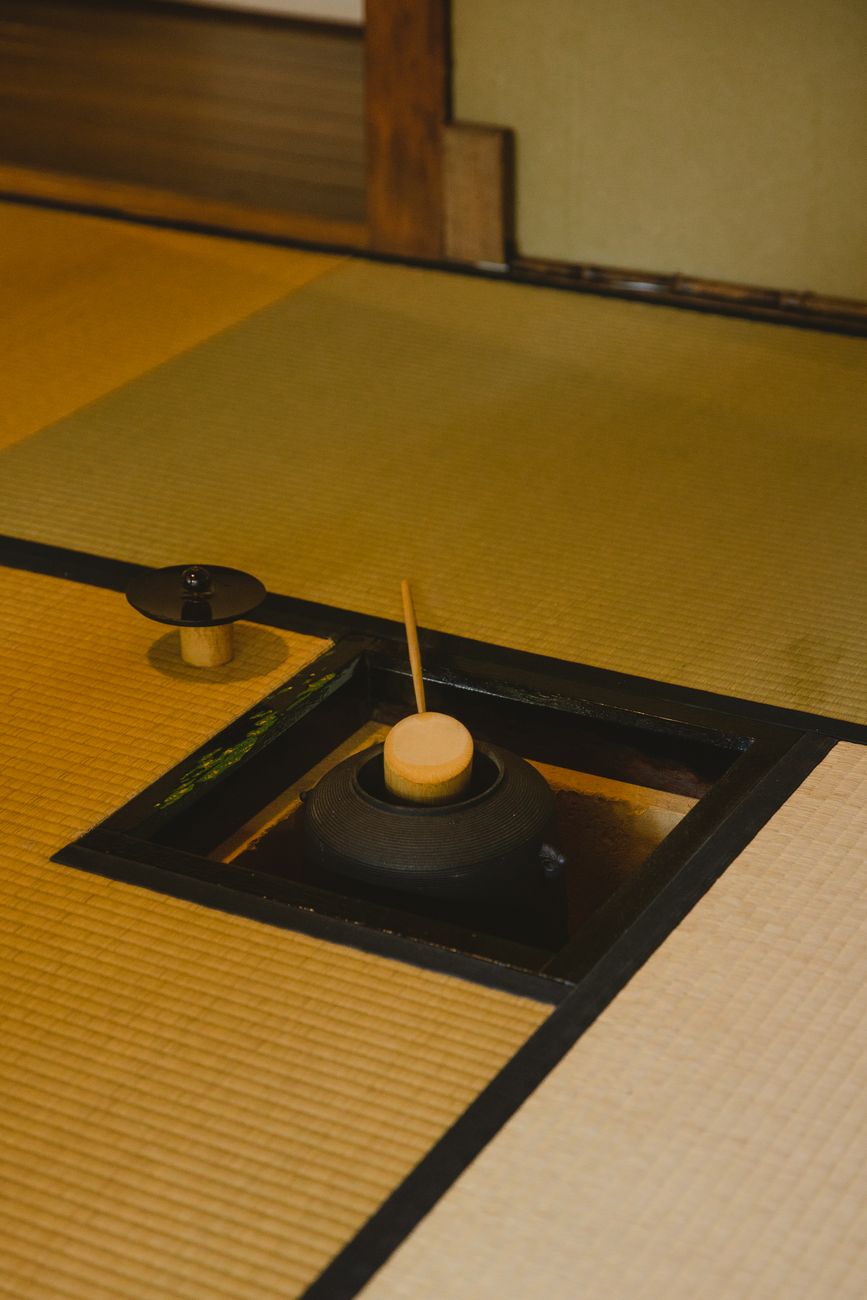
Stepping across the threshold of a historic mountain ryokan is an entrance into an aesthetic world governed by fragrance of rush tatami, the slide of paper shoji screens, and the murmur of geothermal water.
The Ritual of Arrival
In the hills of Nagano and Kyoto prefecture, centuries-old inns have cultivated omotenashi—unconditional hospitality that anticipates needs without intrusion. Guests exchange boots for woven slippers, leaving the noise of transit outside the cedar gate.
A welcoming cup of freshly whisked matcha served alongside seasonal wagashi marks the transition into sanctuary. Here, clothing is replaced with comfortable cotton yukata robes, worn effortlessly throughout the stay.
"The Japanese room does not seek to impose furniture upon space; rather, it allows emptiness to frame the view of the moss garden beyond."
Kaiseki: Seasonal Artistry
Dinner is not merely a meal, but an edible calendar. Kaiseki dining reflects the micro-seasons through ceramic dishware, bamboo leaf garnish, and hand-foraged mountain vegetables known as sansai. Each course arrives in measured sequence, honoring the balance of salt, acid, umami, and tactile texture.
Ending the night in an open-air cypress rotenburo bath under starlight seals the day, aligning the traveler with timeless traditions that remain remarkably vibrant today.